NABH Accredited ECHS Empanelled Mon–Sat: 9 AM – 5 PM
πŸ‘οΈ Cataract Surgery Kurukshetra

Painless Cataract Surgery in Kurukshetra β€” Clear Vision by Morning

A cataract doesn't arrive suddenly. It sneaks in slowly β€” colours lose brightness, headlights blur, reading becomes harder. By the time most people notice, they've already lost significant vision quality. The good news: cataract surgery is one of the safest procedures in medicine. Most patients see clearly the very next morning.

10 Minute Procedure
No Stitches
No injection

Warning Signs of a Cataract

🌫️
Blurry or hazy visionLike looking through frosted glass β€” even with glasses
πŸ’‘
Glare from lightsHeadlights at night become halos or starbursts
🎨
Faded coloursEverything looks yellowed or washed out
πŸ“–
Difficulty readingEven with correct glasses, close work feels harder
πŸ‘“
Frequent prescription changesGlasses need updating more often than before
πŸͺ–

ECHS Patients: Cataract surgery with IOL implantation is covered under ECHS. Bring your smart card and referral β€” we handle everything else.

Cataract Surgery Kurukshetra
Understanding Cataracts

What Is a Cataract β€” and Why Does It Happen?

The natural lens inside your eye is normally crystal clear. With age β€” or sometimes because of diabetes, injury, or certain medications β€” this lens gradually becomes cloudy. That cloudiness is the cataract.

Light can no longer pass through cleanly, which is why vision becomes blurry, hazy, or dim. No amount of glasses or eye drops can reverse this. The only treatment is surgery to remove the cloudy lens and replace it with a clear artificial one.

The good news: the surgery takes 10 minutes, is completely painless, and most patients notice a dramatic improvement in vision by the very next morning.

Early Stage

Slightly blurry vision, mild glare. Many people manage with updated glasses at this stage.

Moderate Stage

Reading, driving and TV become difficult. This is usually the ideal time for surgery β€” easier procedure, better outcomes.

Advanced Stage

Significant vision loss. Surgery is still effective but technically more complex. Don't wait this long.

The Procedure

What Happens During Cataract Surgery

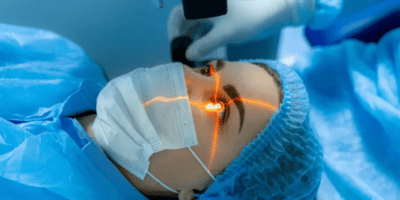
Phacoemulsification β€” a small incision technique that takes 15–20 minutes with no stitches in most cases.

πŸ”¬
01

Pre-Op Assessment

Biometry measures your eye to calculate the exact power of your new lens. This step determines your visual outcome.

πŸ’§
02

Anaesthetic Drops

Eye drops numb the area completely. No injections needed. You stay awake and relaxed throughout.

⚑
03

Phacoemulsification

A 2–3mm incision is made. Ultrasound breaks the cloudy lens into tiny pieces which are gently suctioned out.

✨
04

IOL Implanted

A clear artificial lens is folded and placed through the same incision. It unfolds into position β€” no stitches needed.

Recovery Timeline

Next Day
Significant vision improvementMost patients notice dramatic clarity the morning after surgery
Day 3–7
Return to normal activitiesReading, TV, light work. Continue eye drops as prescribed
Week 2
Follow-up with Dr. SobtiVision assessed, eye drops reviewed, driving discussed
Month 1
Final spectacle prescriptionIf reading glasses are needed, prescription is given at this visit
Month 1+
Second eye if neededIf both eyes have cataracts, the second is operated 1–2 weeks after the first
Lens Options

Which Intraocular Lens Is Right for You?

The lens we implant is permanent. Dr. Sobti recommends the right one based on your lifestyle β€” not the most expensive option.

Standard

Monofocal IOL

Clear vision at one distance β€” usually distance. Most common. Reading glasses still needed for close work.

Excellent distance vision
Most affordable option
ECHS covered
Premium

Multifocal IOL

Designed to provide vision at multiple distances β€” distance and near. Significantly reduces glasses dependence.

Distance and near vision
Reduce glasses dependence
Most popular upgrade
For Astigmatism

Toric IOL

Corrects both cataract and astigmatism (cylindrical power) in a single procedure. Sharp vision without the cylinder.

Corrects astigmatism too
No separate glasses for cylinder
Available in mono or multi

Dr. Sobti's approach: He will explain all lens options clearly during your consultation and recommend based on your lifestyle, occupation and eye measurements β€” not cost. There is no pressure to choose the most expensive option.

FAQs

Cataract Surgery β€” Common Questions

When is the right time to have cataract surgery?
+
When the cataract is affecting your daily life β€” driving, reading, watching TV, or recognising faces. We do not recommend waiting until vision is severely impaired. Surgery is technically easier and outcomes are better when cataracts are at a moderate stage. Come in for an assessment and Dr. Sobti will give you an honest opinion.
Is cataract surgery painful?
+
No. The procedure is performed under local anaesthetic eye drops β€” no injections in most cases. You are awake but feel nothing sharp or painful. Some patients feel a mild pressure sensation. The whole procedure takes 15–20 minutes and most patients say they were surprised by how comfortable it was.
Can both eyes be operated on the same day?
+
We operate one eye at a time with a gap of 1–2 weeks between them. This allows the first eye to heal and the outcome to be confirmed before operating on the second. In exceptional circumstances, bilateral same-day surgery may be considered β€” Dr. Sobti will advise.
Will I need glasses after cataract surgery?
+
With a monofocal lens, most patients still need reading glasses for close work. With a multifocal or EDOF lens, many patients are glasses-free or nearly so for most activities. Dr. Sobti will set realistic expectations based on the lens you choose and your eye measurements.
Is cataract surgery covered under ECHS?
+
Yes. Cataract surgery with IOL implantation is covered under ECHS for eligible patients. Obtain a referral from your nearest ECHS Polyclinic, bring your ECHS smart card and photo ID, and we handle everything else including the claim submission. Call 98176-33316 to confirm your specific coverage before scheduling.
How long does the artificial lens last?
+
The intraocular lens is permanent. It does not wear out, degrade, or need replacement. Once implanted correctly, it lasts a lifetime. The lens will not develop a cataract.
What is the cost of cataract surgery in Kurukshetra?
+
The cost varies primarily based on the type of intraocular lens chosen β€” from standard monofocal to premium EDOF lenses. The surgical technique (phacoemulsification) is the same for all. Dr. Sobti explains all options and their costs clearly at consultation. There are no hidden charges. Call 98176-33316 for current pricing.
I am 80 years old β€” am I too old for cataract surgery?
+
There is no upper age limit for cataract surgery. Patients in their 80s and 90s safely undergo the procedure and benefit significantly. Age alone is not a contraindication. Dr. Sobti will assess your overall health and eye condition β€” not just your age.

Ready to See Clearly Again?

Book your cataract consultation today. The assessment includes a full eye examination and honest advice β€” no pressure, no commitment required.

Ready to Get Expert Care?

Call, WhatsApp, or book online. We confirm your appointment the same day β€” no long waits.

Scroll to Top